BLOG
POPULAR ARTICLES

/
BLOG
The Ultimate Buyer Handbook For Sourcing Industrial Bulk Packaging
20 April, 2026
Moving massive amounts of dry goods requires tough packaging. Supply chains around the world run on Flexible Intermediate Bulk Containers. These giant woven sacks hold incredible weight. They offer serious structural strength and superior versatility. Finding the right specifications presents a challenge for procurement teams. Buyers face a sea of confusing technical data. This detailed guide gives buyers the exact details required for smart purchasing decisions. We will explore the factors that control performance and safety. Buying managers balance tight budgets with the demand for premium materials. Learning about these woven containers helps businesses master complex logistical hurdles. Picking the correct unit leads directly to better workplace safety and superior product protection.
The Manufacturing Journey Of Woven Polypropylene Fabric
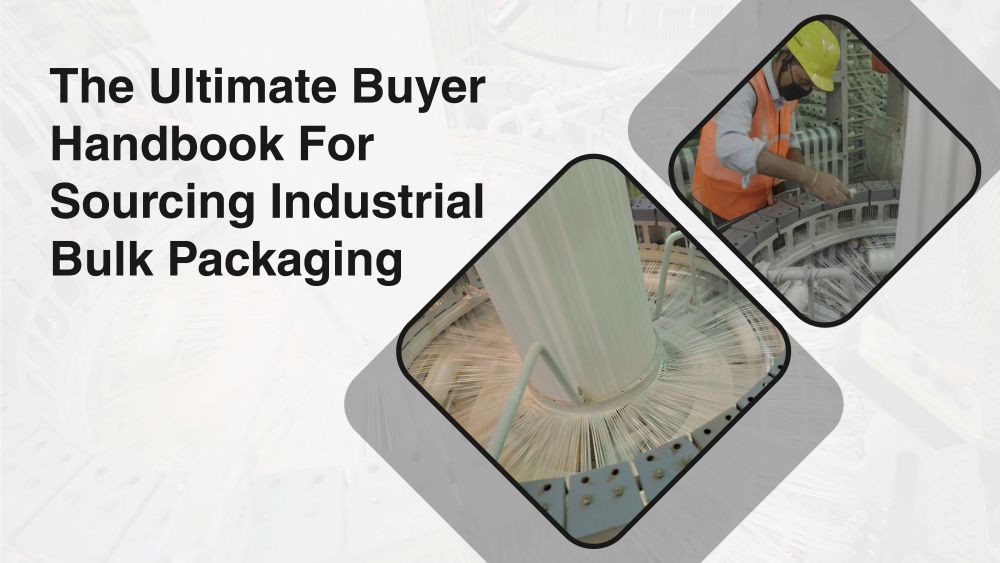
Every packaging unit needs precise engineering to handle thousands of pounds. The journey begins with high-quality polymer resins. Factory workers feed these raw plastic pellets into a large extrusion machine. The machine melts the resin and forms a thin plastic sheet. Sharp blades slice this sheet into narrow tapes. These tapes undergo an intense stretching process under heat. This stretching aligns the polymer chains to give the tapes massive tensile strength. Workers wind these strong tapes onto thousands of steel bobbins.
The bobbins move to circular weaving looms. These machines weave the tapes together to create a continuous tube of fabric. The weaving creates a tough material that shrugs off physical stress and punctures. Makers mix special ultraviolet inhibitors into the polymer during the initial melting phase. This chemical addition blocks sun damage during outdoor storage. The woven fabric then passes through a coating machine. A fresh layer of melted polymer seals the gaps between the woven tapes. This lamination keeps fine powders securely inside the bag. Finally automated machines cut the fabric to the exact required lengths.
Understanding The Core Anatomy
Good bulk bags manufacturers use strict quality control steps to ensure perfect construction. Workers manually sew the cut fabric panels on heavy-duty sewing machines. They use thick industrial-grade thread to bind the flat seams. Special dust-proof filler cords go into the seams to block powder leaks.
The lifting loops require special attention during final assembly. Extra fabric layers at the corners share the heavy payload stress across these loops. The loops extend down the side seams to distribute the lifting force evenly across the body. Adding a polyethylene inner liner creates a strong moisture barrier. This internal plastic film keeps everything dry and safe from outside dirt. The final product undergoes strict visual inspection before workers fold and press it into tight bales.
The Four Primary Classifications For Static Control
Picking the right category keeps your workers safe and your products intact. A careful look at your factory risks tells you exactly which type to buy. Safety managers use these categories to stop static shocks during fast filling.
- Type A containers represent the standard choice for normal products. Factories make them from plain woven polypropylene fabric. They give great physical strength for moving farm goods and basic minerals.
- Type B units have a special breakdown voltage to stop big static sparks. They feature anti-static surface treatments. Facilities use them safely around dry combustible dust.
- Type C bags feature connected conductive carbon threads woven into the body. Workers must ground the bag physically during the filling process. This grounding wire sends the static safely into the factory floor.
- Type D containers use advanced static-dissipative technology. The fabric incorporates special quasi-conductive yarns. These yarns safely release static charges directly into the surrounding air. They give full protection free from any physical grounding cables.
Essential Technical Specifications For Buyers
Buying teams must review technical details carefully to match their daily operations. Checking these numbers ensures worker safety and product survival. Knowing how these parameters work together helps buyers secure better deals. Correct specs lead directly to fewer factory accidents and a smoother shipping process.
- The safe working load defines the absolute maximum weight the container holds. Picking the right capacity stops tearing during transport. Standard capacities range from five hundred kilograms to two thousand kilograms.
- The safety factor shows the breaking strength compared to the working load. A standard single-use bag uses a five-to-one ratio. Reusable units demand a six-to-one ratio for extra toughness.
- Engineers measure fabric weight in grams per square meter. Heavier fabrics offer vastly better puncture resistance. A trusted FIBC bags supplier in India will help you find the exact weight for your specific material.
- Physical dimensions must fit your current pallets and shipping containers to maximize warehouse space. Proper sizing stops the filled bags from bulging over the pallet edges.
Top And Bottom Customizations For Handling
Fast operations depend on quick filling and emptying speeds. Buyers pick specific top and bottom styles to match their factory machines.
- Open top designs give total access to the inside. They work great for loading large irregular items quickly.
- Duffle tops feature a protective skirt with a tying string. This covers the load completely and keeps out environmental dirt.
- Spout tops use a fabric tube for precise loading. Operators attach this spout directly to their automated machines.
- Flat bottom containers work perfectly for single-trip uses. The user slashes the fabric base to dump the product onto the floor.
- Spout bottoms give operators control over the discharge speed. Workers can tie off the tube midway to stop the material flow.
- Fully open bottoms drop the entire load instantly. This works best for materials that tend to clump together during storage.
Industry Applications And Specific Use Cases
These versatile containers serve a massive range of global industries. Every sector demands unique features to handle their specific materials safely.
- The agricultural sector uses highly breathable woven bags to transport potatoes and onions. The plain open fabric lets air flow freely to stop mold growth.
- Construction companies rely on heavy-duty bags to move sand and gravel. These rugged units survive the harsh environment of an active building site.
- Chemical plants demand absolute chemical purity and electrical safety. They use fully lined static-dissipative bags to move sensitive powder compounds across the country.
- The mining industry ships valuable metal ores in ultra-thick containers. These reinforced woven sacks handle abrasive rocks securely during ocean voyages.
- Food processors require pristine packaging for their edible ingredients. They use certified clean-room bags to transport sugar and wheat flour across the supply chain.
- Pharmaceutical companies use the highest grade of flexible containers. They demand total sterilization to move sensitive pill bases and medicinal powders.
Sustainability In Modern Bulk Packaging
The industrial world is shifting toward earth-friendly habits. Companies want packaging that lowers their carbon footprint while delivering high performance. Recycled plastics take center stage in making strong woven fabrics. Smart brands use modern recycling tech to turn plastic waste into premium industrial gear. Leading groups like the Pashupati Group drive these green efforts by making top-quality recycled polyolefin granules. Their focus on the environment creates packaging with total durability and lower greenhouse emissions. Buyers focus deeply on suppliers who care about saving resources. Choosing reusable woven containers pushes these green benefits even higher. Heavy-duty bags survive many trips before requiring replacement. Special recycling plants turn them into raw materials later to complete the circular sustainability cycle.
Navigating The Supplier Market
Finding good packaging means building long relationships with smart manufacturing partners. The best jumbo bags manufacturers in India follow strict international quality rules. These certificates promise clean factories and consistent product improvements. Always ask for detailed spec sheets and physical samples when checking new partners. Looking closely at the stitch quality and loop attachments shows you the true skill of the maker.
The leading FIBC bags manufacturers like Pashupati Group run fully integrated factories. They control everything from melting the plastic to sewing the final bag. This total oversight limits defects and gives full batch traceability for every unit. Watching drop tests and stretch trials gives buyers total confidence. Setting up clear communication lines with your vendor speeds up inventory deliveries.
Frequently Asked Questions
What is the lifespan of these containers outside?
Sunlight slowly weakens the polypropylene fabric. Makers mix UV inhibitors into the material to improve resistance and extend outdoor usability. The material stored in direct sunlight is generally safe for up to 6 months of sun exposure. For longer durability, facilities should store filled bags under a solid roof or protective covering to maintain strength.
What makes certain bags suitable for food?
Food-grade containers need clean-room factory conditions. The maker must follow strict hygiene rules to stop cross-contamination. Suppliers extrude virgin FDA-approved resins to make the yarn. This keeps the packaging safe for direct contact with farm crops and edible ingredients.
How do you recycle these bulk containers?
The recycling sector processes millions of used woven sacks every year. Dedicated plants wash the old fabric and melt it down into high-quality polymer granules. Makers then use these recycled granules to build fresh industrial goods.
Can I reuse a standard flexible container?
Safety rules limit standard units to a single trip. Reusing a standard bag creates a massive safety risk for warehouse workers. Buyers must specifically purchase heavy-duty multi-trip bags with a six-to-one safety factor for repeated uses.
FAQ's
RECENT BLOGS
 (Large).jpg)